









Produits en mousse rigide de polyuréthane (PU)
Définition et principe
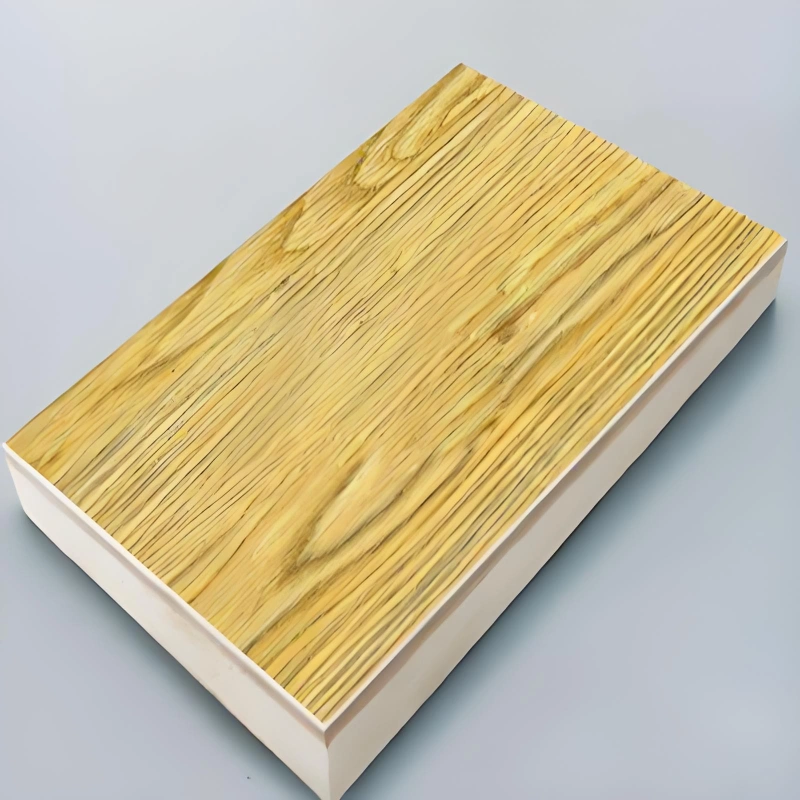
La mousse rigide de polyuréthane (PU) est un polymère de haut poids moléculaire doté d'une structure réticulaire tridimensionnelle, formée par la réaction de polymérisation entre des isocyanates et des polyols (tels que les polyols polyéther ou les polyols polyester) sous l'action de catalyseurs, d'agents moussants, de stabilisants et d'autres additifs.
Ses performances exceptionnelles tiennent à sa composition microscopique : il présente un taux élevé de cellules fermées (généralement supérieur à 90%), ce qui lui confère une grande dureté, une résistance élevée et une conductivité thermique exceptionnellement faible. Il est principalement utilisé à l'échelle mondiale dans le domaine de l'isolation thermique haut de gamme et du renforcement structurel.
Caractéristiques principales
Excellente isolation thermique : sa conductivité thermique est extrêmement faible, généralement comprise entre 0,018 et 0,024 W/(m·K). Elle réduit considérablement le transfert de chaleur, contribue à maintenir la chaleur et optimise l'efficacité énergétique dans divers secteurs d'activité.
Haute résistance et rigidité : dans des conditions d'utilisation normales, ce matériau présente une bonne résistance à la compression et au cisaillement. Il conserve une forme stable dans une plage de charges donnée et résiste à la déformation.
Excellentes propriétés d'étanchéité et de résistance à l'humidité : grâce à un taux de cellules fermées supérieur à 90%, ce matériau réduit considérablement le risque d'infiltration d'eau, ce qui permet de maintenir des performances d'isolation constantes et durables, même dans des conditions humides.
Bonne stabilité chimique : présente une excellente résistance à certains milieux acides et alcalins, ce qui lui permet de conserver ses principales propriétés physiques et de réduire les risques de corrosion dans certains environnements difficiles.
Excellente stabilité dimensionnelle : ne subit que des variations dimensionnelles minimes dans sa plage de températures d'utilisation. Par rapport aux matériaux traditionnels, il réduit au minimum les déformations causées par les variations de température, offrant ainsi une meilleure protection structurelle.
Forte adhérence à la couche de base : dans des conditions d'application appropriées, il forme une liaison solide avec une grande variété de supports, notamment le métal, le bois, le ciment, le verre, etc.
Domaines d'application
1. Secteur du bâtiment
Isolation des bâtiments : largement utilisée pour l'isolation des murs, des toitures et des planchers.
Intégration de l'étanchéité : assure une intégration parfaite de l'étanchéité et de l'isolation de la toiture, constituant ainsi un matériau essentiel pour garantir l'efficacité énergétique des bâtiments modernes.
2. Secteur de la réfrigération et de la congélation
Équipements de stockage frigorifique : Souvent utilisés dans la conception des couches isolantes des réfrigérateurs, des congélateurs et des entrepôts frigorifiques afin de réduire les pertes de froid et d'améliorer considérablement le rendement énergétique.
3. Isolation des équipements industriels
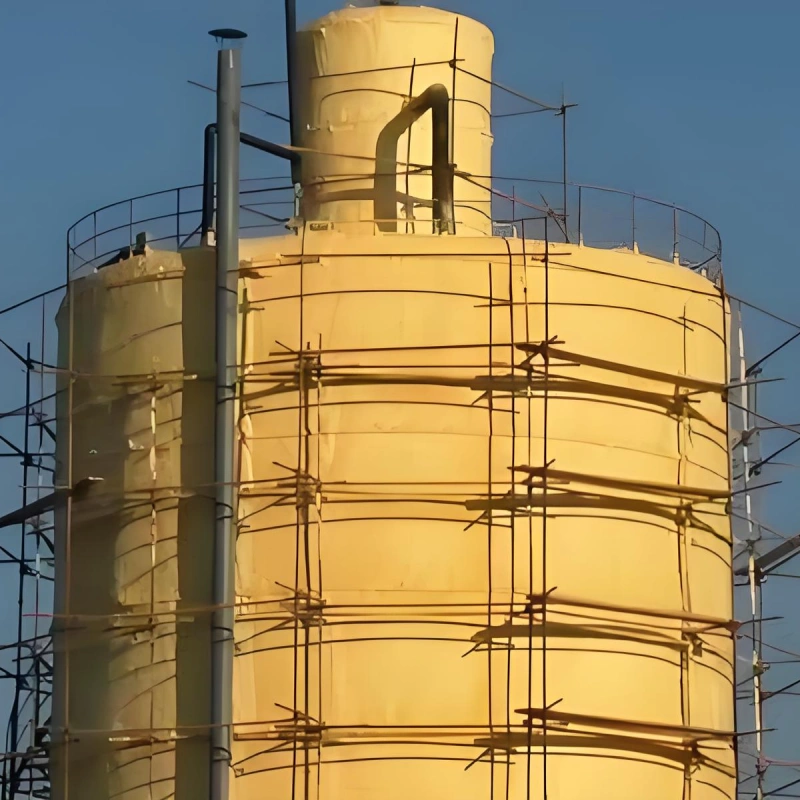
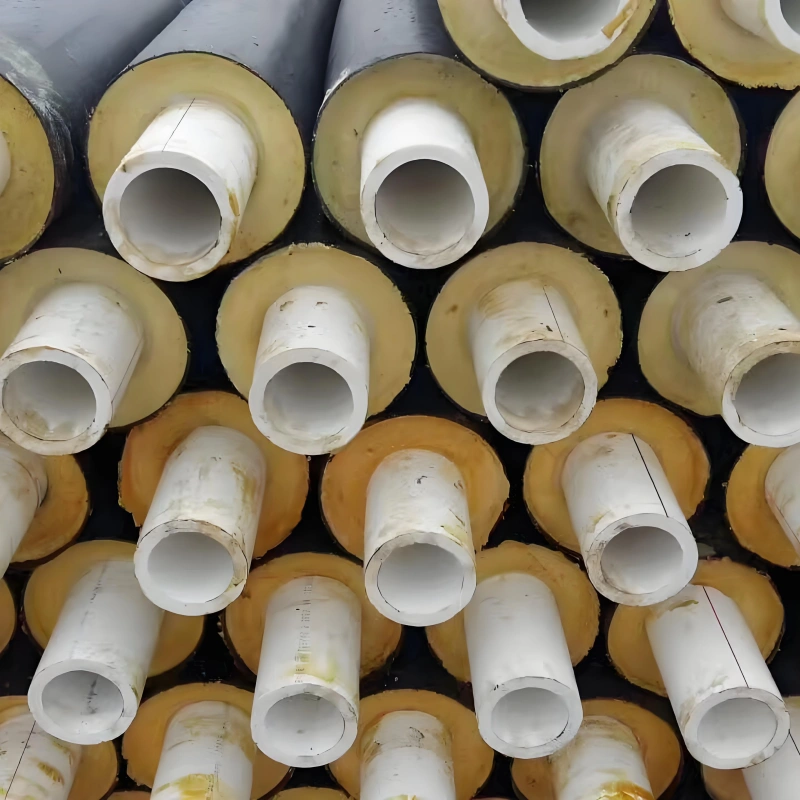
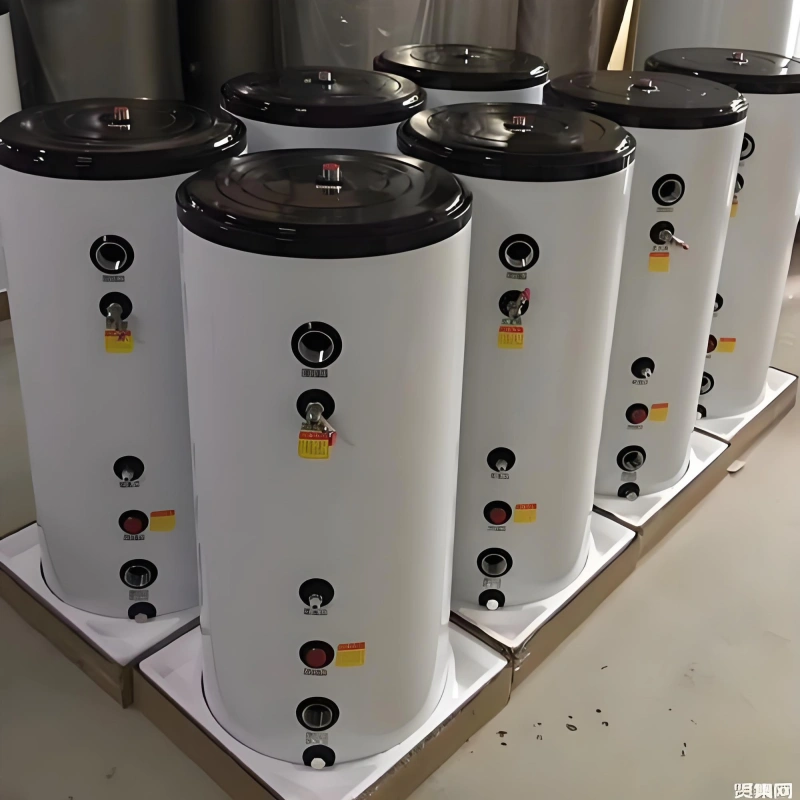
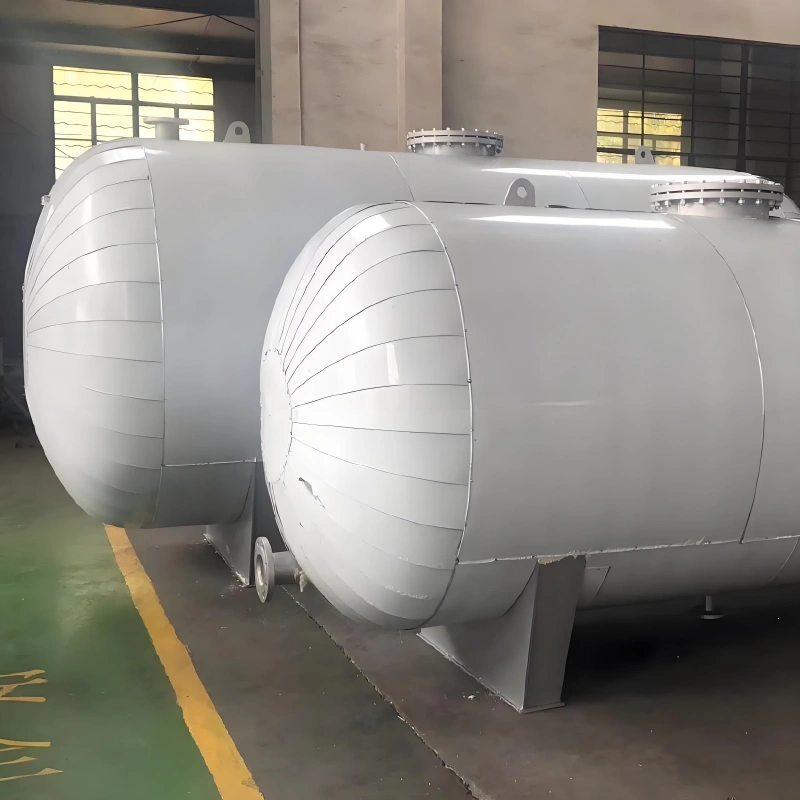
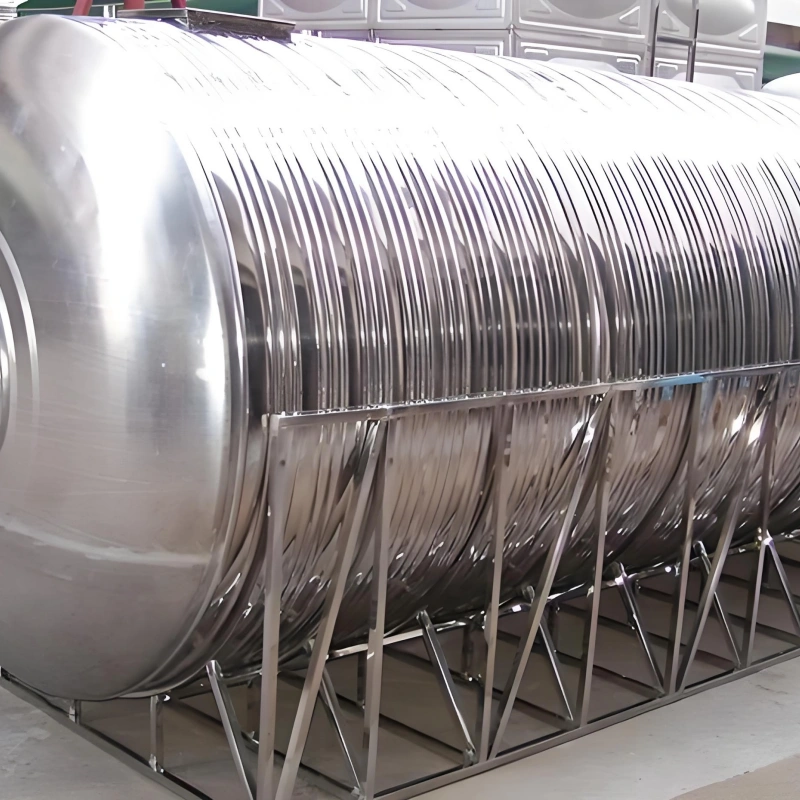
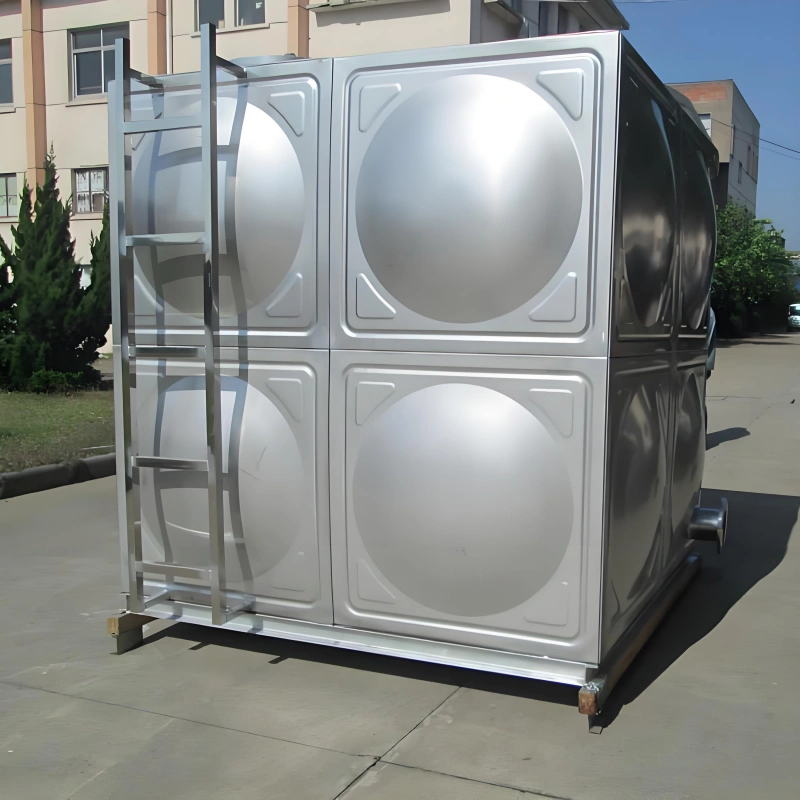
Couches d'isolation thermique : idéales pour les canalisations de produits chimiques, les réservoirs de stockage et les réacteurs chimiques. Elles limitent les pertes de chaleur dans des conditions extrêmes et contribuent à éliminer le risque de condensation sur les équipements.
4. Transports
Automobile et aérospatiale : Assure l'isolation thermique, l'isolation acoustique et le renforcement structurel des voitures, des navires et des avions. Parmi les applications courantes, on peut citer les éléments d'intérieur automobile et l'isolation des parois de la cabine des avions.
5. Secteur de l'emballage
Protection amortissante : couramment utilisée dans les emballages destinés à un usage intensif ou de précision afin d'offrir un amortissement optimal en cas de chocs, réduisant ainsi de manière sûre le risque d'endommagement des articles fragiles ou des produits électroniques haut de gamme pendant le transport.